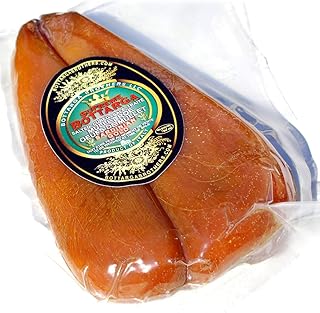
In the pantheon of gourmet ingredients, few possess the mystique, history, and intense flavor profile of Bottarga. Often referred to as "Sardinian Gold," this cured fish roe is a cornerstone of Mediterranean cuisine, particularly from the sun-drenched island of Sardinia. For centuries, fishermen have perfected the art of salting and drying the roe sacs of grey mullet (muggine) or bluefin tuna, transforming them into a hard, amber-hued delicacy that packs an unparalleled punch of savory, briny umami.
What Exactly is Bottarga?
At its core, Bottarga is the salted, pressed, and sun-dried roe of certain fish. The process is an ancient method of preservation that concentrates the flavors, resulting in a product that can be grated over dishes like a hard cheese or thinly sliced. The two most celebrated types are Bottarga di Muggine (grey mullet roe) from Sardinia and Bottarga di Tonno (tuna roe) from Sicily. Each offers a distinct taste: mullet roe is often described as more refined and complex, while tuna roe is typically stronger and more oceanic.
The Sardinian Legacy: From Cabras to Your Kitchen
Sardinia, especially the coastal town of Cabras, is synonymous with the highest quality grey mullet bottarga. The tradition here is protected and revered, with methods passed down through generations. Products like Bottarga Di Muggine from L'Oro di Cabras represent this authentic heritage. For those seeking convenience without sacrificing quality, pre-grated versions like Sardinian Grated Bottarga or Le Mareviglie Grated Bottarga are perfect pantry staples, ready to elevate a dish in seconds.
The "Sardinian Gold" line exemplifies this tradition, offering authentic, kosher-certified options in various sizes to suit every need, from a 3-ounce jar for experimenting to a substantial 6-ounce piece for the true enthusiast. You can explore options like the 3-ounce or the larger 6.3-ounce piece to find your perfect match.
How to Use Your Bottarga: A World of Umami
The beauty of bottarga lies in its versatility. It's not just an ingredient; it's a flavor amplifier. The simplest and most iconic use is grated over a plate of spaghetti with olive oil, garlic, and parsley—Spaghetti alla Bottarga. Its salty, briny depth also makes it a fantastic finishing touch for creamy pasta like carbonara, grilled vegetables, seafood risottos, or even scrambled eggs.
For a different regional twist, Sicilian Bluefin Tuna Bottarga offers a bolder flavor. A product like Sicilian Grated Bluefin Tuna Bottarga is perfect for adding a robust umami kick to salads or bruschetta. Whether you choose a whole roe like Smeralda Whole Bottarga to grate yourself or a pre-grated jar, the key is to add it at the end of cooking, allowing the residual heat to release its aroma without cooking it.
Selecting and Storing Your Gourmet Treasure
When choosing a whole bottarga, look for a firm, dry texture with a consistent color. It should have a pleasant marine scent, not overly fishy. Once opened, wrap it tightly in parchment paper and then in foil, storing it in the refrigerator where it can last for months. Grated bottarga should be kept sealed in a cool, dark place. Brands like Sanniti Bottarga provide quality options that are ready to use and easy to store.
Integrating Bottarga into your cooking is an adventure in taste. It connects you to a timeless Sardinian and Mediterranean tradition, offering a simple yet profound way to transform everyday meals into gourmet experiences. From its humble origins as a preserved food for fishermen to its status as a coveted gourmet ingredient in kitchens worldwide, bottarga truly is a golden treasure from the sea.